
The elevated LIBOR homepage is officially live!
Take a look around and check out all the exciting changes and improvements we’ve made.
Consumer Guide: How to Make Your Home More Energy Efficient
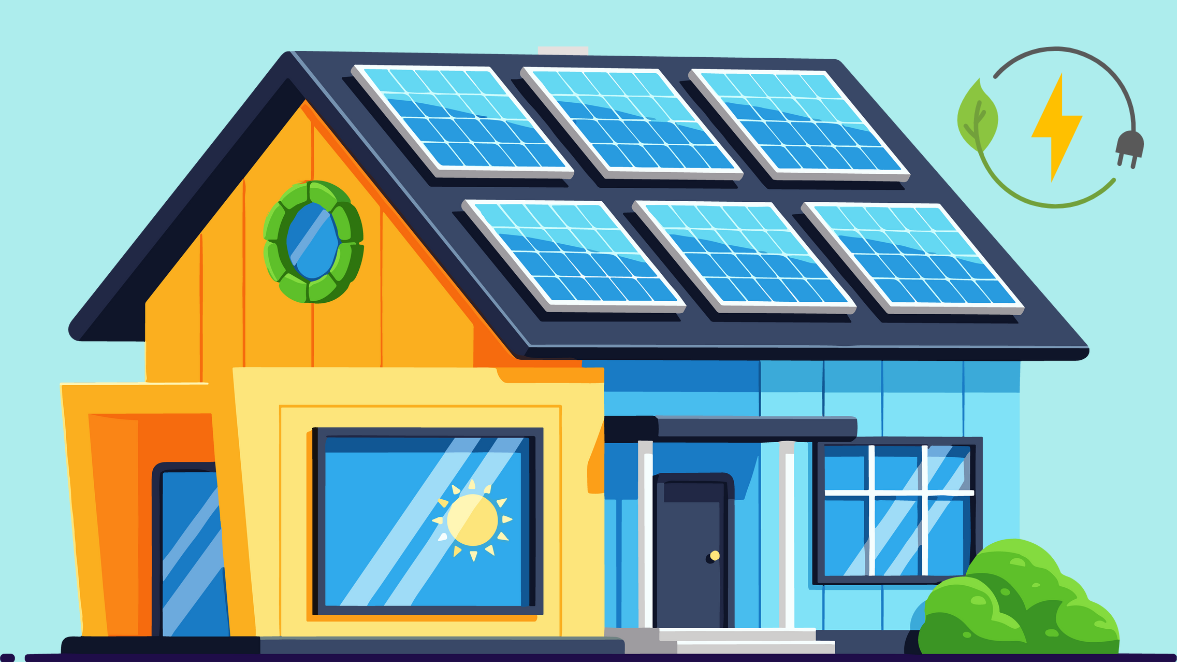
1. Make smart upgrades.
When prioritizing home improvement projects, think about both what will cut your energy costs and what will make a difference when you sell. According to the REALTORS® Residential Sustainability Report, windows, doors and siding are the most important energy efficient home features for buyers, with 37% of REALTORS® rating them as very important and 49% as somewhat important. Ask your energy provider whether energy audits or rebates on efficiency upgrades are available in your area.
2. Swap out appliances.
If an appliance needs to be replaced, consider buying an energy-efficient model. Refrigerators are notorious energy hogs. Consumer Reports says models with the freezer on the top or bottom are usually more energy efficient than side-by-side models. In-door ice and water dispensers also add to a fridge’s energy use.
3. Replace HVAC systems.
Upgrade to systems with high Energy Star ratings. Be sure to have your system serviced and change the filters regularly to boost efficiency.
4. Install a smart thermostat.
The Environmental Protection Agency estimates that homeowners save an average of 8% on their utility bills by using a smart thermostat that uses motion sensors or tracks your phone's location to switch to energy-saving mode when you're not home.
5. Install ceiling fans.
Using ceiling fans during the warmer months will cut down on the need for air conditioning.
6. Improve air sealing.
Install door sweeps at the base of all doors that lead to the exterior, and make sure windows are sealed and have weatherstripping. Sealing gaps around doors and windows is also great storm prep for areas that experience hurricanes.
7. Add insulation.
Boosting insulation in attics, crawl spaces and basements can save an average of 10% on heating and cooling.
8. Plant trees.
Consider planting shade trees on the west and east sides of your home to shield it from the sun during the summer months. (Remember there are other considerations when planting trees, such as soil quality, utility lines and fire safety.)
Other ways you can save on your energy bills:
- Close blinds and curtains to keep heat in during the winter and out during the summer.
- Set your water-heater temperature to 120 degrees. Water heating accounts for about 18% of a home’s energy use, according to the U.S. Department of Energy.
- Minimize electricity draw by unplugging cords or using power strips that can be shut off when appliances are not in use.
These smart upgrades and practices can help you save big each month on your utility bills and could make your home more attractive to future buyers.
Your real estate agent will help you navigate the purchase or sale of a home. An attorney can provide guidance on the laws in the state where you’re purchasing. Only real estate professionals who are members of the National Association of REALTORS® may use the term REALTOR®. Under NAR’s Code of Ethics, REALTORS® must work in their client's best interest and treat all parties fairly. Visit lirealtor.com to find a REALTOR® or click HERE.
Shared with permission from the National Association of REALTORS®.
Connect with a Long Island or Queens REALTOR® at lirealtor.com
Explore New York properties at OneKeyMLS.com
Privacy Policy | Terms of Use | DMCA Notice | Accessibility
Phone: (631) 661-4800
© 2025 Long Island Board of Realtors, Inc. All Rights Reserved.
Web Design & Development by Matrix Group International, Inc.

Privacy Policy |
Terms of Use |
DMCA Notice |
Accessibility
1305 Walt Whitman Road, Suite 310, Melville, New York 11747
Phone: (631) 661-4800
© 2023 Long Island Board of Realtors, Inc.
All Rights Reserved.
Web Design & Development by
Matrix Group International, Inc.