
The elevated LIBOR homepage is officially live!
Take a look around and check out all the exciting changes and improvements we’ve made.
How to Home
Read our blog featuring real estate tips and essential information for buyers and sellers.

Consumer Guide: Buyer Safety While Viewing Homes
Sep 30, 2026, 13:30 PM
by
Christina DeFalco
Searching for your dream home is an exciting time. But there are also potential risks. Follow these practical tips to stay safe during your homebuying process.
Read More...

Consumer Guide: Fraud Red Flags
Sep 21, 2026, 15:15 PM
by
Christina DeFalco
Most real estate transactions occur safely, but there’s a growing need to keep an eye out for fraud. Increasingly sophisticated scams, including use of AI to impersonate people, can occur at any stage of a transaction and often aren’t immediately obvious. If something occurs that doesn’t seem quite right, this resource will help you understand the potential risks and take appropriate action.
Read More...

Consumer Guide: Helping Family Members Become Homeowners
Sep 9, 2026, 14:14 PM
by
Christina DeFalco
With housing costs rising, young adults sometimes look to parents or other family members for help covering the upfront costs of homeownership. If you are contemplating providing financial support to your children or other family members, here are helpful facts and guidelines to bear in mind.
Read More...
.png?sfvrsn=6525abd_1 "AdobeStock_219637204-small (2)")
Consumer Guide: Prepare Your Home for Hurricane Season
Aug 24, 2026, 00:00 AM
by
Christina DeFalco
Hurricanes put Americans at risk and cause billions of dollars in property damage annually, according to the National Oceanic and Atmospheric Administration. Depending on the region, hurricane season spans May 1 to November 30, with the Atlantic basin experiencing peak season in mid-September. The best course of action is to prepare as much as possible before a hurricane hits. Here are important steps to take to protect yourself and your home:
Read More...

The #1 Reason Buyers Walk Away (And How To Get Ahead of It)
Aug 14, 2026, 13:58 PM
by
User Not Found
A local agent will be able to walk through your house and offer advice on what to tackle based on your specific home, your market, and what buyers are prioritizing in your area.
Read More...
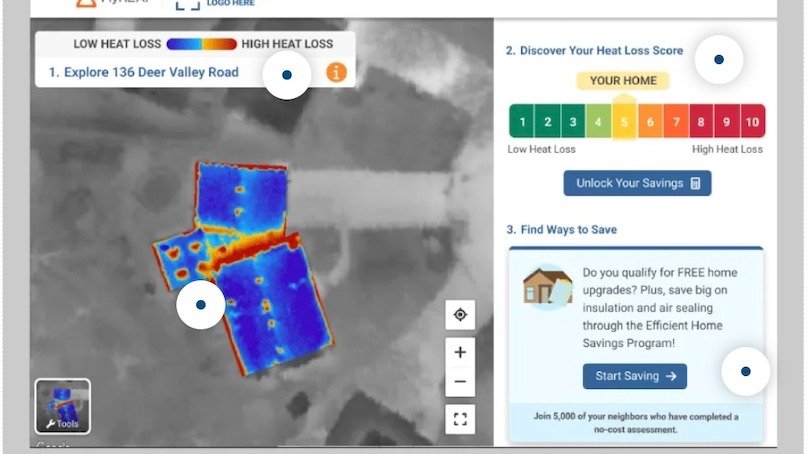
Is Your Home Losing Heat? Find Out for Free
Aug 10, 2026, 15:59 PM
by
User Not Found
Using aerial thermal imaging, MyHEAT provides a personalized view of where heat may be escaping from your home.
Read More...

Consumer Guide: Condominium Insurance
Aug 3, 2026, 11:49 AM
by
Christina DeFalco
Buying a condominium often means navigating two insurance policies: one purchased by the condominium association and one purchased by the unit owner. Understanding how these policies work together can help you avoid coverage gaps and unexpected costs. A licensed insurance agent can help you evaluate your coverage needs, and your condominium association can answer questions about its insurance coverage.
Read More...

Using Retirement Savings to Buy a First Home
Jul 28, 2026, 14:18 PM
by
User Not Found
Under current law, first-time buyers can withdraw up to $10,000 from an IRA without paying the early withdrawal penalty if the funds are used toward a down payment on a home. A proposal in Congress, the Uplifting First-Time Homebuyers Act, would raise that limit to $50,000.
Read More...

Condos, Townhomes and Co-Ops Can Be Your Way Into Homeownership
Jul 23, 2026, 14:31 PM
by
User Not Found
A condo, co-op or townhome could be your path to owning a home without blowing your budget.
Read More...

Two Big Reasons To Move This Summer
Jul 20, 2026, 15:55 PM
by
User Not Found
If a 2026 move is on your radar, connect with a REALTOR® and talk about what matters most to you. Depending on your priorities, Summer could be your moment.
Read More...

What To Expect from the Housing Market in the Second Half of 2026
Jul 16, 2026, 16:30 PM
by
User Not Found
Mortgage rates may ease. Home sales could pick up. And prices are expected to continue rising at a healthier, more sustainable pace. If you've been waiting for signs of progress, this is it.
Read More...

Consumer Guide: Seller Handoff Checklist
Jul 15, 2026, 10:23 AM
by
Christina DeFalco
The sale of your home is moving toward closing; it won’t be long before the new owners take possession. To make the transfer as smooth as possible, consider passing along the following valuable information.
Read More...

Consumer Guide: 10 Tips for Unpacking Smartly After a Move
Jun 29, 2026, 16:33 PM
by
Christina DeFalco
Moving is one of the greatest stressors in life, but it’s important to save some of that adrenaline for the final task: unpacking. If you’re surrounded by boxes and feeling a little overwhelmed, these tips can help make the unpacking process go more smoothly.
Read More...

Consumer Guide: Overcoming Roadblocks to a Sale or Purchase
May 22, 2026, 15:45 PM
by
Christina DeFalco
A signed real estate purchase agreement is not a guarantee of a home sale. A recent REALTORS® Confidence Index Survey showed that transactions today are experiencing about a 5% fallout rate. Deals can fall through for any number of reasons. Whether you’re a buyer or seller, prepare yourself for the most common potential pitfalls so your transaction closes smoothly.
Read More...

Consumer Guide: How Solar Impacts a Real Estate Transaction
May 6, 2026, 15:19 PM
by
Christina DeFalco
The appeal of solar panels, with the promise of lower electricity bills and a smaller carbon footprint, is obvious. If you’re considering buying a home with a solar installation, however, be aware of factors such as who owns the system, the age and condition of the panels, and local utility and regulatory policies that might influence solar performance and savings in the area.
Read More...

Consumer Guide: Navigating Mortgage Interest Rate Shifts
Apr 23, 2026, 15:53 PM
by
Christina DeFalco
When you’re in the market for a home, fluctuations in mortgage interest rates can be unsettling. After all, the interest rate on your mortgage affects the price range you can comfortably afford. Approaching the issue with knowledge—including an understanding of how rate changes impact your monthly payment—can help keep your home purchase on track.
Read More...

Consumer Guide: Financing a Renovation When You Buy
Apr 8, 2026, 13:55 PM
by
Christina DeFalco
You’ve found a house that has great bones, but it needs work. Don’t let the thought of renovation costs scare you away. There are mortgage options that let you fold in the cost of renovations or repairs. Renovation financing can help you compete in low-inventory markets, customize a home to your needs and build equity faster. Your real estate professional can help you identify the right loan options and connect you with experienced lenders.
Read More...

Consumer Guide: Staging Your House for a Sale
Mar 18, 2026, 13:18 PM
by
Christina DeFalco
In real estate, “home staging” refers to presenting your property in a way that highlights its strengths and helps buyers envision themselves living there. Staging isn’t about following the latest interior design trends or remodeling—it’s centered on decluttering and styling a home so that it can be seen in its best light.
Read More...

Consumer Guide: Spotting Deepfake Scams in Real Estate
Mar 4, 2026, 10:47 AM
by
Christina DeFalco
Cyber-enabled fraud—use of the internet or other technology to steal money, data or identity—accounted for $13.7 billion in 2024, according to the latest data released by the FBI’s Internet Crime Complaint Center (IC3). Among cybercrimes, the use of deepfake technology is a growing concern. Deepfake scams increased 40% year-over-year, according to the 2026 Identity Fraud Report by security firm Entrust. Here’s what you need to know about deepfake scams to protect yourself during the sale or purchase of your home.
Read More...
Consumer Guide: Seller Checklist, 15 Things to Do Before Every Showing
Feb 18, 2026, 12:19 PM
by
Christina DeFalco
You’re ready to sell your home. You have consulted with an agent who’s a REALTOR® and done everything you can to maximize your chances of selling: You’ve decluttered, depersonalized, deep cleaned, made necessary repairs and staged the home to make it as appealing as possible. Now, here’s a handy checklist of the things to do before every showing to help your home sell faster and for top dollar.
Read More...
- 1 (current)
- 2
- 3
- 4
- 5
Categories
Privacy Policy | Terms of Use | DMCA Notice | Accessibility
1305 Walt Whitman Road, Suite 310, Melville, New York 11747
Phone: (631) 661-4800
© 2025 Long Island Board of Realtors, Inc. All Rights Reserved.
Phone: (631) 661-4800
© 2025 Long Island Board of Realtors, Inc. All Rights Reserved.
LIBOR’s governing documents, conflict of interest policy and financial statements (including IRS Form 990) are available for inspection during regular business hours upon request by appointment.
Web Design & Development by Matrix Group International, Inc.

Privacy Policy |
Terms of Use |
DMCA Notice |
Accessibility
1305 Walt Whitman Road, Suite 310, Melville, New York 11747
Phone: (631) 661-4800
© 2023 Long Island Board of Realtors, Inc.
All Rights Reserved.
Web Design & Development by
Matrix Group International, Inc.