
The elevated LIBOR homepage is officially live!
Take a look around and check out all the exciting changes and improvements we’ve made.
Consumer Guide: How Solar Impacts a Real Estate Transaction
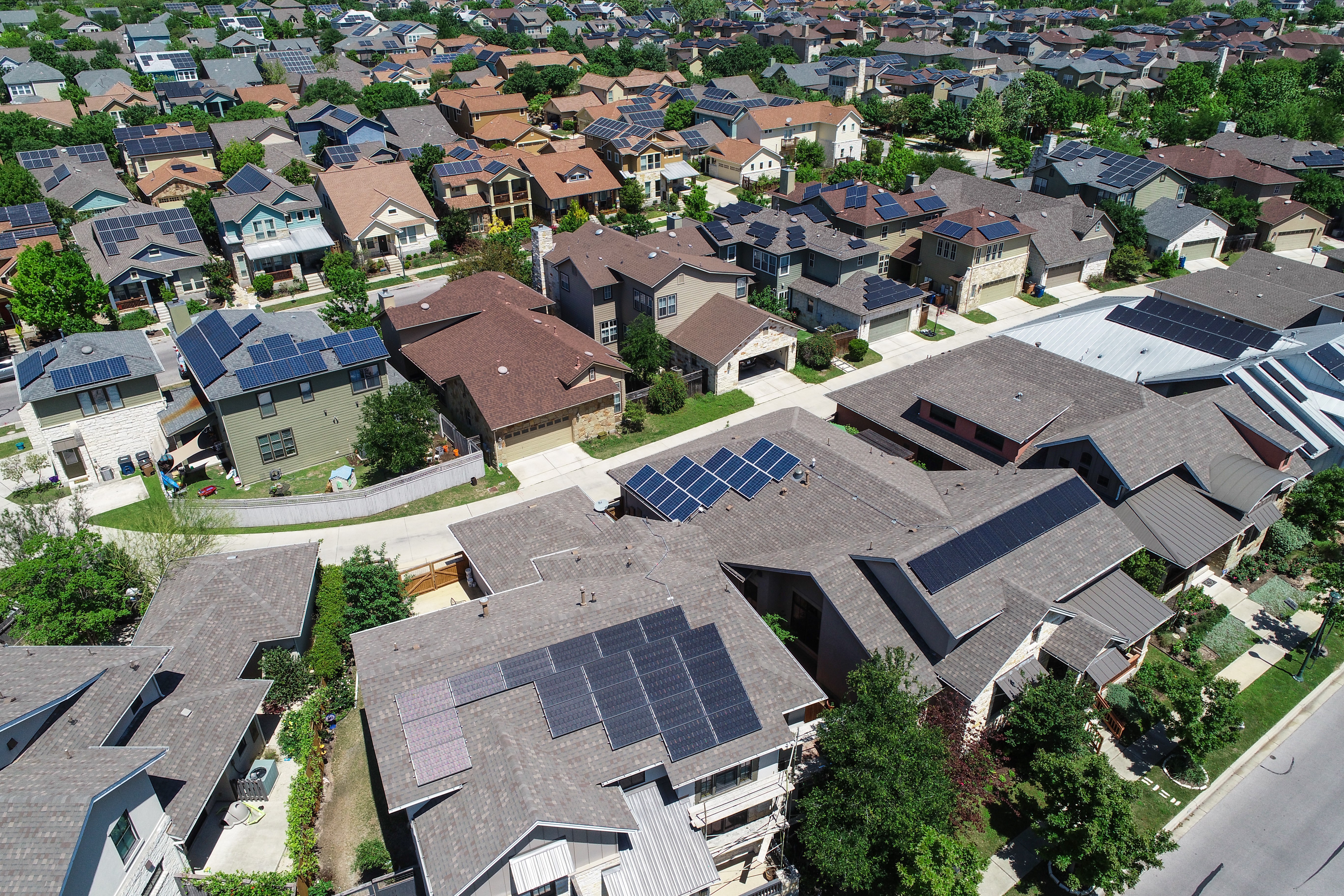
Who owns the solar system?
Homeowners have three options when adding solar: They can purchase a system outright or with financing; lease solar panels from a third-party company; or sign a power purchase agreement (PPA) through which they buy electricity generated by a third-party company that owns the solar panels installed on their home. Real estate contracts vary by state, but many include language that specifies whether panels are owned or leased.
Mortgage underwriting guidelines require the panels to be owned before an appraiser can consider whether they add “contributory value” to the property. If the owners took a loan to finance the system, that loan must be paid off before the home sale closes. If the solar panels are leased or tied to a PPA, you'll be assuming a contract with a third-party solar company. That means monthly payments, usage terms and restrictions on modifications. Read any lease agreement carefully before committing. The lease agreement may require a UCC (Uniform Commercial Code) lien on the property, and the lease payments will be considered by your lender in determining your creditworthiness. In some states, solar companies offer PACE (property assessed clean energy) loans. These are paid back through an increase in the property taxes you pay, and the Consumer Financial Protection Bureau warns that if you don’t make the payments, you could lose your home.
How much can you expect to save on energy costs?
That depends on a range of factors—from the age of the system to how much sunlight the roof gets. Energy Sage offers a solar calculator, but ask for documentation on the existing system as well as past electricity bills and solar production records. That will enable you to compare the cost of energy with that of homes that don’t have solar.
Also be aware of:
- The system’s age. Upgrading an aging system is costly. The lifespan of a solar system depends on the photovolatic (PV) technology used. A typical system today is expected to last 25–30 years, though a system could produce meaningful power past its useful life.
- How the local utility handles excess solar energy. Net metering policies, which allow you to sell surplus power back to the grid, vary by state and utility provider.
- Whether the system was properly permitted and inspected. Unpermitted systems can create headaches for buyers and sellers.
- What warranties transfer with the property. Read Energy Sage’s explanation of what to look for in a solar warranty.
- Whether there’s a homeowners association. Confirm that there are no HOA restrictions on solar panels or future modifications to the system. (Many states have outlawed such restrictions.)
- The condition of the roof? Because solar panels are roof mounted, an inspection that confirms the roof's age and condition is essential. If the roof needs replacement in the next few years, you'll have to pay to remove the panels, reroof and reinstall them.
Should you expect to pay a premium for a home with solar?
While solar can add to the desirability of the home, a home’s price depends on what buyers are willing to pay in a competitive situation. The factors above will influence whether homes with solar can command a higher price.
Note: Talk with your insurance agent to determine how solar panel placement could affect coverage, and work with a real estate professional who is knowledgeable about solar. Those who hold the National Association of REALTORS® Green designation have received training on a range of sustainability topics.
Your real estate agent will help you navigate the purchase or sale of a home. An attorney can provide guidance on the laws in the state where you’re purchasing. Only real estate professionals who are members of the National Association of REALTORS® may use the term REALTOR®. Under NAR’s Code of Ethics, REALTORS® must work in their client's best interest and treat all parties fairly. Visit lirealtor.com to find a REALTOR® or click HERE.
Shared with permission from the National Association of REALTORS®.
Connect with a Long Island or Queens REALTOR® at lirealtor.com
Explore New York properties at OneKeyMLS.com
Privacy Policy | Terms of Use | DMCA Notice | Accessibility
Phone: (631) 661-4800
© 2025 Long Island Board of Realtors, Inc. All Rights Reserved.
Web Design & Development by Matrix Group International, Inc.

Privacy Policy |
Terms of Use |
DMCA Notice |
Accessibility
1305 Walt Whitman Road, Suite 310, Melville, New York 11747
Phone: (631) 661-4800
© 2023 Long Island Board of Realtors, Inc.
All Rights Reserved.
Web Design & Development by
Matrix Group International, Inc.